Valuate the Model, Don’t Just Evaluate It
Gooder AI CEO Eric Siegel on reporting what a model is worth rather than how it scores, the one extra step on the same test data, and why projects stall.
When Restoring the Painting Costs More Than the Painting
MIT’s Alex Kashkin on generative masks that repair damaged paintings, why restoration often costs more than the artwork, and the part he keeps hard-coded.

The Data Itself Is the First Prompt in Vibe Analytics
Plotly’s Domenic Ravita on vibe analytics: no first prompt, the dataset is the prompt, and why he will not guess how much AI cuts the data cleanup.
Only Content That Clears Every Agent Gets Monetized
Fandom CTO Adil Ajmal on scaling agentic AI over 50 million fan-written pages: only what clears every agent is monetized; the rest goes to human review.

Keep the Data Inside Your Perimeter, and the Agents Too
Zscaler’s Claudionor Coelho on securing multi-agent systems: why he jokes LLM security is the easy problem, and the logical layer you need above it.
Extend Data Governance Into Models, Then Into Agents
BARC’s Kevin Petrie on extending data governance into models and agents, why the top AI control is still a human, and where data quality ranks.

Start AI Governance With the Outcome, or Waste the Spend
Invi Grid’s Yogita Parulekar defines AI governance from first principles: objectives before controls, security inside governance, explainability first.
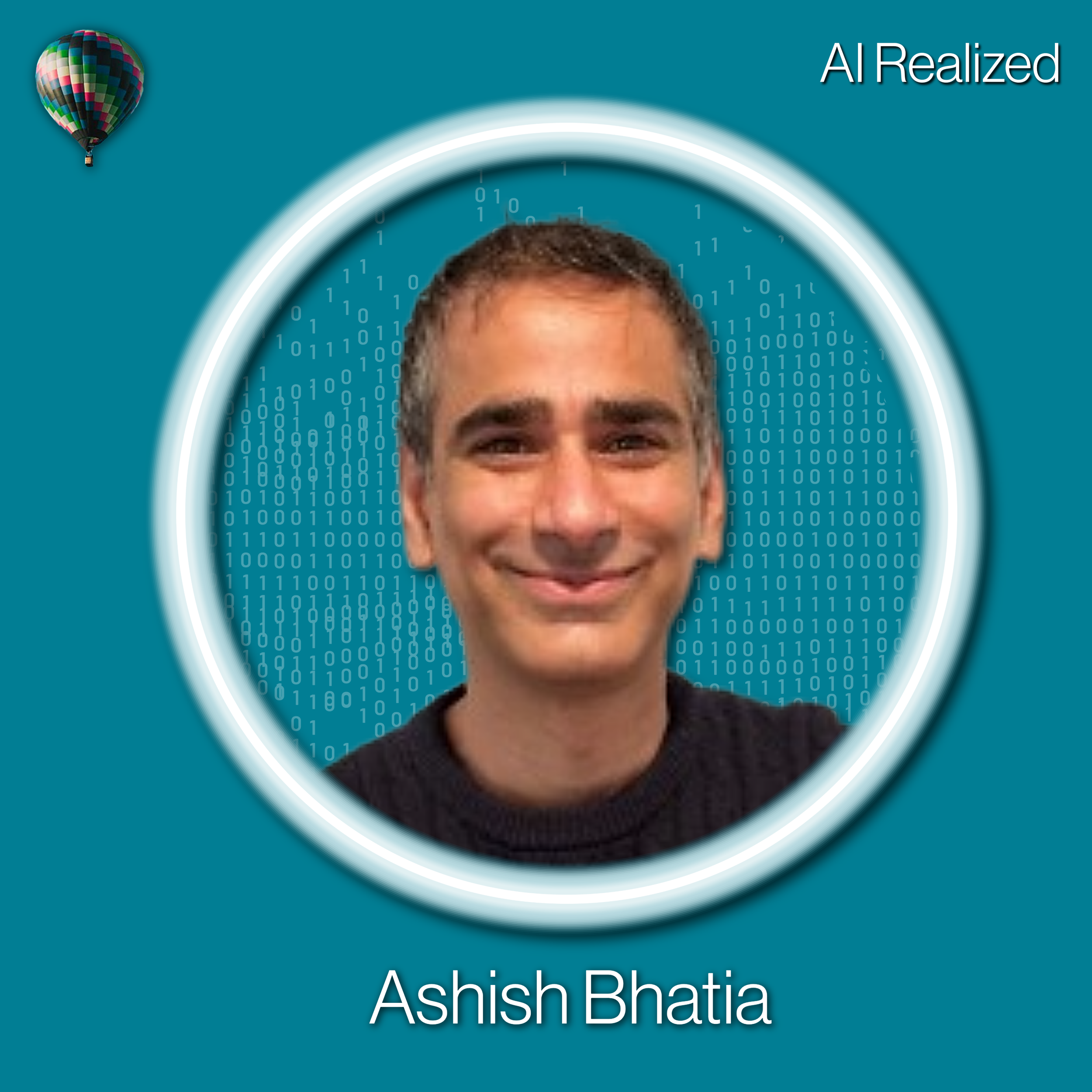
Truly Agentic Means Reasoning, Not Rewritten Automation
Ashish Bhatia on what separates a truly agentic workload from rewritten automation, the three phases to a hybrid workforce, and owning your eval first.

Detect Intent, Then Tailor Every Screen to the Person
Al Shanmugam of EchoStar on intent-driven personalization: learning a person rather than a segment, and the agents that act on what they want.
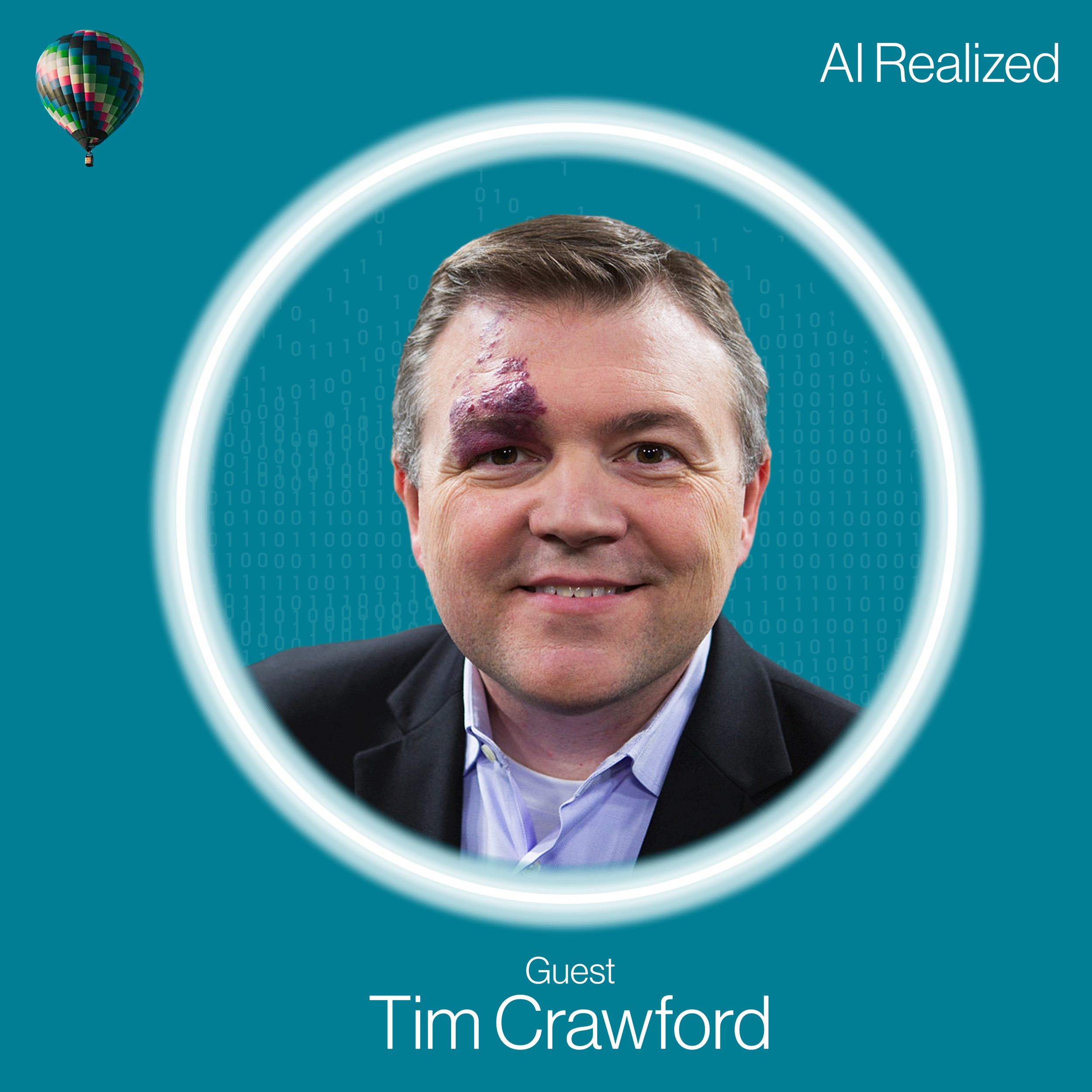
AI Agent Sprawl: Govern the Lifecycle Before You Backtrack
Tim Crawford of AVOA on AI agent sprawl: why anyone can build an agent in minutes, why forgotten agents still cost you, and the lifecycle to decide first.
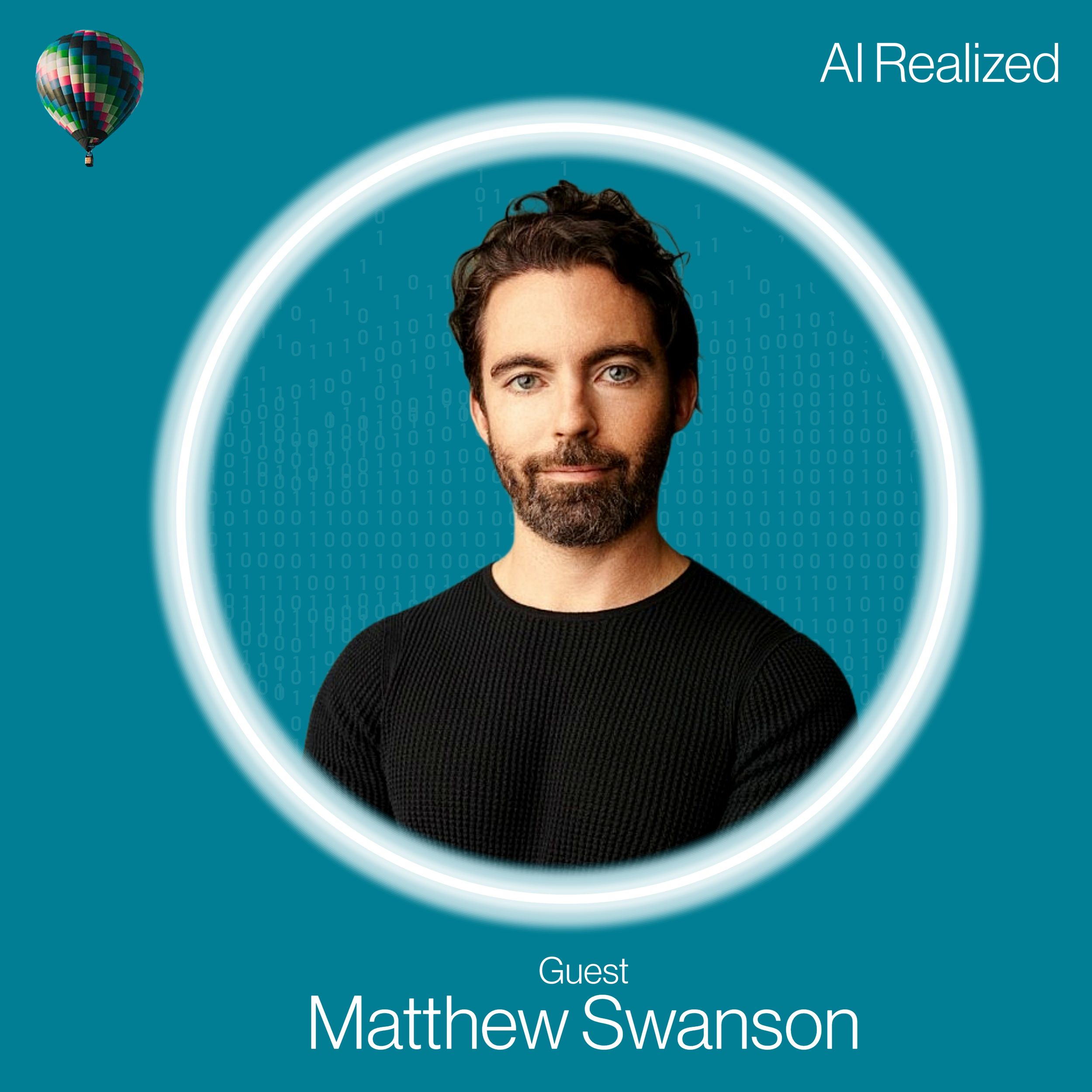
From Clicks to Conversions: Pay Only for Measured Outcomes
Matthew Swanson of Motion Enterprises on agents that replace clicking with conversation, and pricing that charges only for measurable gains in a KPI.

When Attackers Have AI, Verify the Person Each Time
Kris Bondi of Mimoto on why anomaly detection misses a stolen account, and what continuous person-level validation catches once a deepfake is inside.

Bridging Data Science and Generative AI
Domenic Ravita of Plotly on where data science and generative AI meet: custom data applications for operational decisions that nobody sells off the shelf.
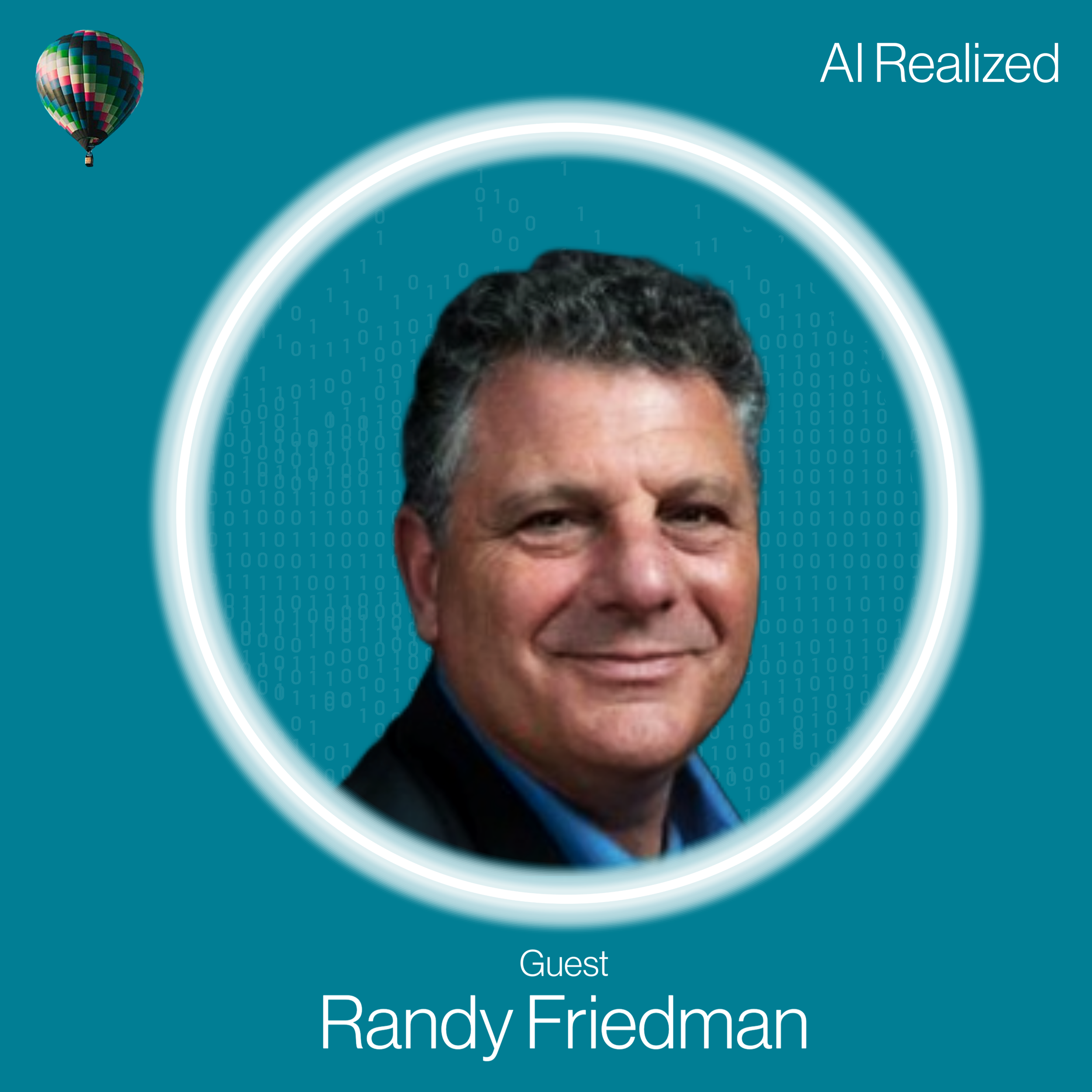
Treat the Agent as an Embedded Worker in the Ecosystem
Randy Friedman of Cognizer on agents as embedded workers, contracts monitored continuously, and the cross-company infrastructure that does not exist yet.
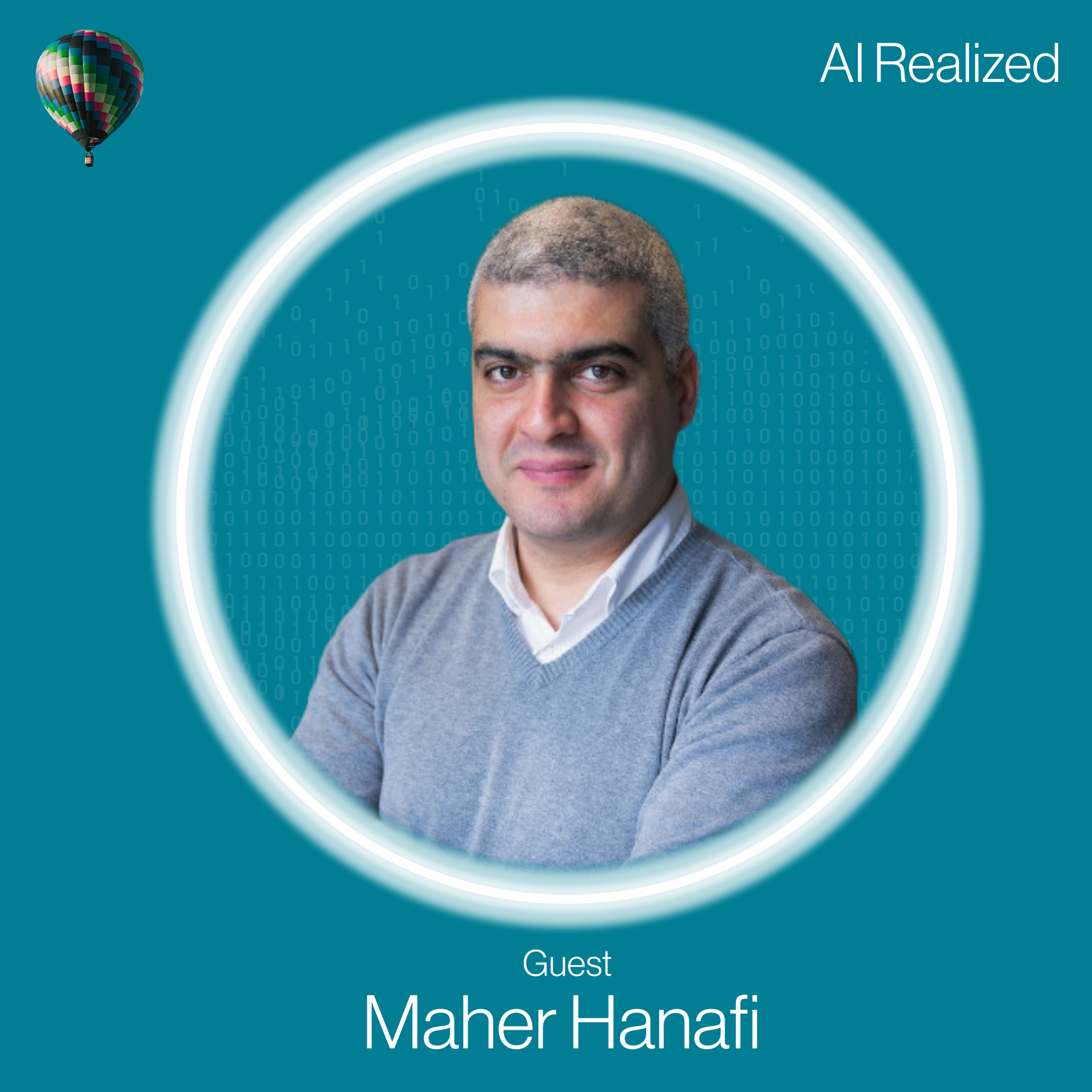
Write the AI Policy Before You Write the AI Feature
Maher Hanafi of Betterworks on earning trust as AI ships: policy and transparency over features, small releases customers opt into, humans still deciding.

Governing and Operating AI Is the Production Problem
Steve Jones of Capgemini on why AI proofs of concept stall before production, and how decomposing the problem keeps an agent’s mistake from being fatal.

Media Metadata Is a Signal to Detect Real From Fake
Allan McLennan of PADEM Media Group on metadata as the only proof a piece of content is yours, and on what broadcasters build to prove what is genuine.

Use the AI Tools Yourself, Then Show Your Colleagues
Kenn So on how AI actually spreads inside a company: use the tools yourself, show a colleague, and try a new one every quarter.

Use AI for the Questions Nobody in the Room Will Ask
Chris Butler of GitHub on using an LLM in decision-making: no stake in the hierarchy, no care about power, and in 2025 about 80 percent junk.

AI Is a Tool for Augmenting People, Not Replacing Them
Sean White on AI as a tool that augments people, owning your own intelligence on premises, and the no surprises rule for wearable data.