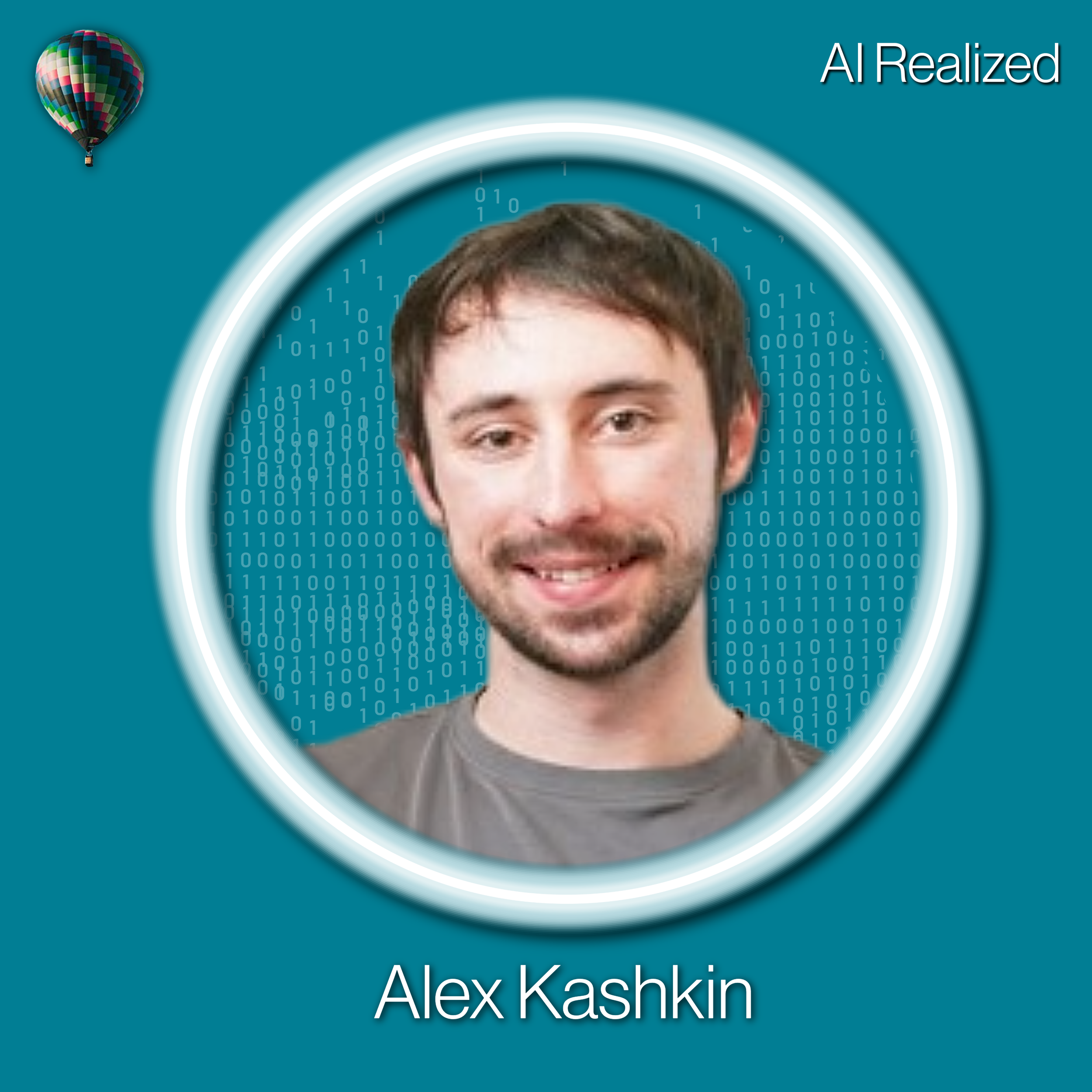
When Restoring the Painting Costs More Than the Painting
MIT’s Alex Kashkin on generative masks that repair damaged paintings, why restoration often costs more than the artwork, and the part he keeps hard-coded.

The Data Itself Is the First Prompt in Vibe Analytics
Plotly’s Domenic Ravita on vibe analytics: no first prompt, the dataset is the prompt, and why he will not guess how much AI cuts the data cleanup.

Only Content That Clears Every Agent Gets Monetized
Fandom CTO Adil Ajmal on scaling agentic AI over 50 million fan-written pages: only what clears every agent is monetized; the rest goes to human review.
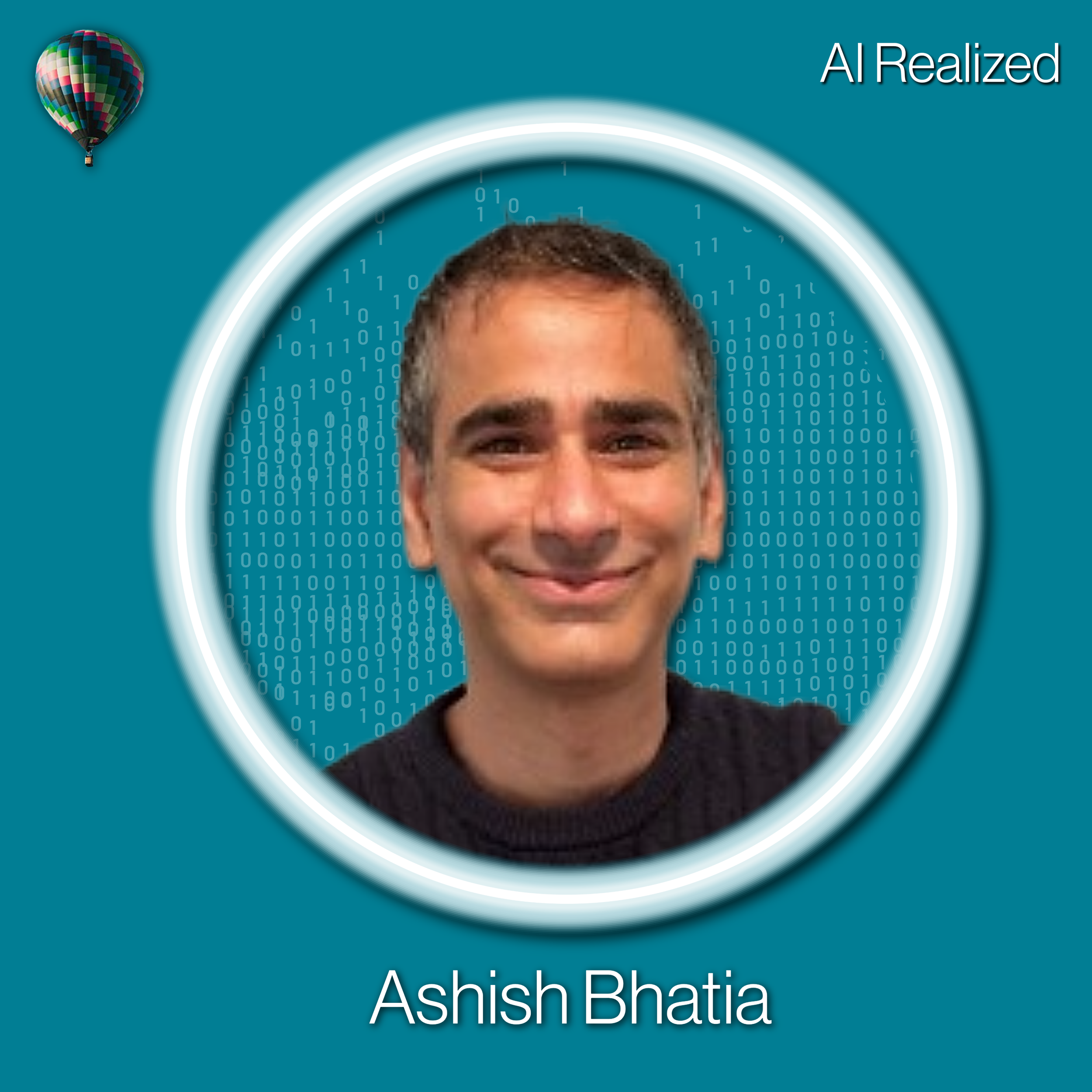
Truly Agentic Means Reasoning, Not Rewritten Automation
Ashish Bhatia on what separates a truly agentic workload from rewritten automation, the three phases to a hybrid workforce, and owning your eval first.
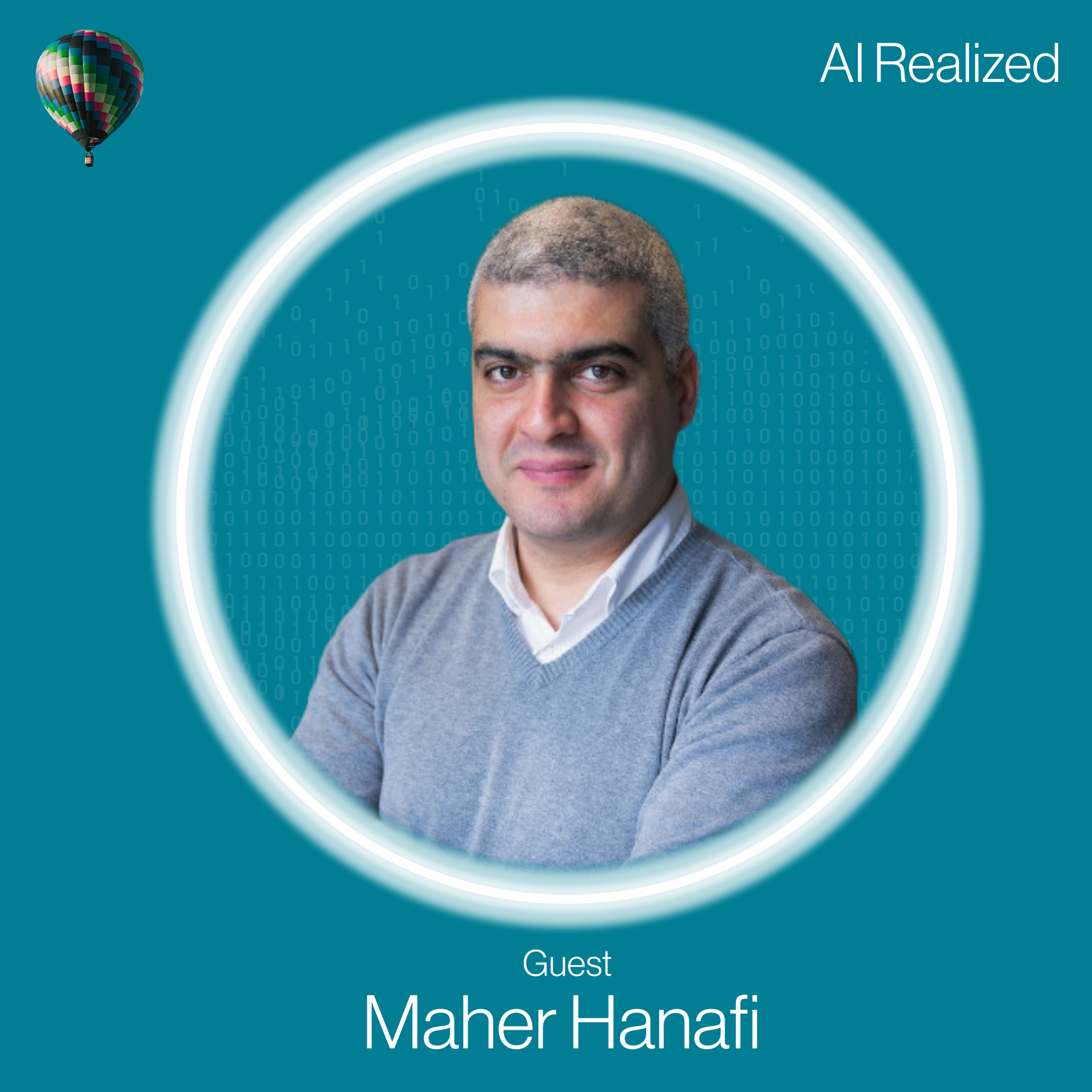
Write the AI Policy Before You Write the AI Feature
Maher Hanafi of Betterworks on earning trust as AI ships: policy and transparency over features, small releases customers opt into, humans still deciding.

Governing and Operating AI Is the Production Problem
Steve Jones of Capgemini on why AI proofs of concept stall before production, and how decomposing the problem keeps an agent’s mistake from being fatal.

Use the AI Tools Yourself, Then Show Your Colleagues
Kenn So on how AI actually spreads inside a company: use the tools yourself, show a colleague, and try a new one every quarter.
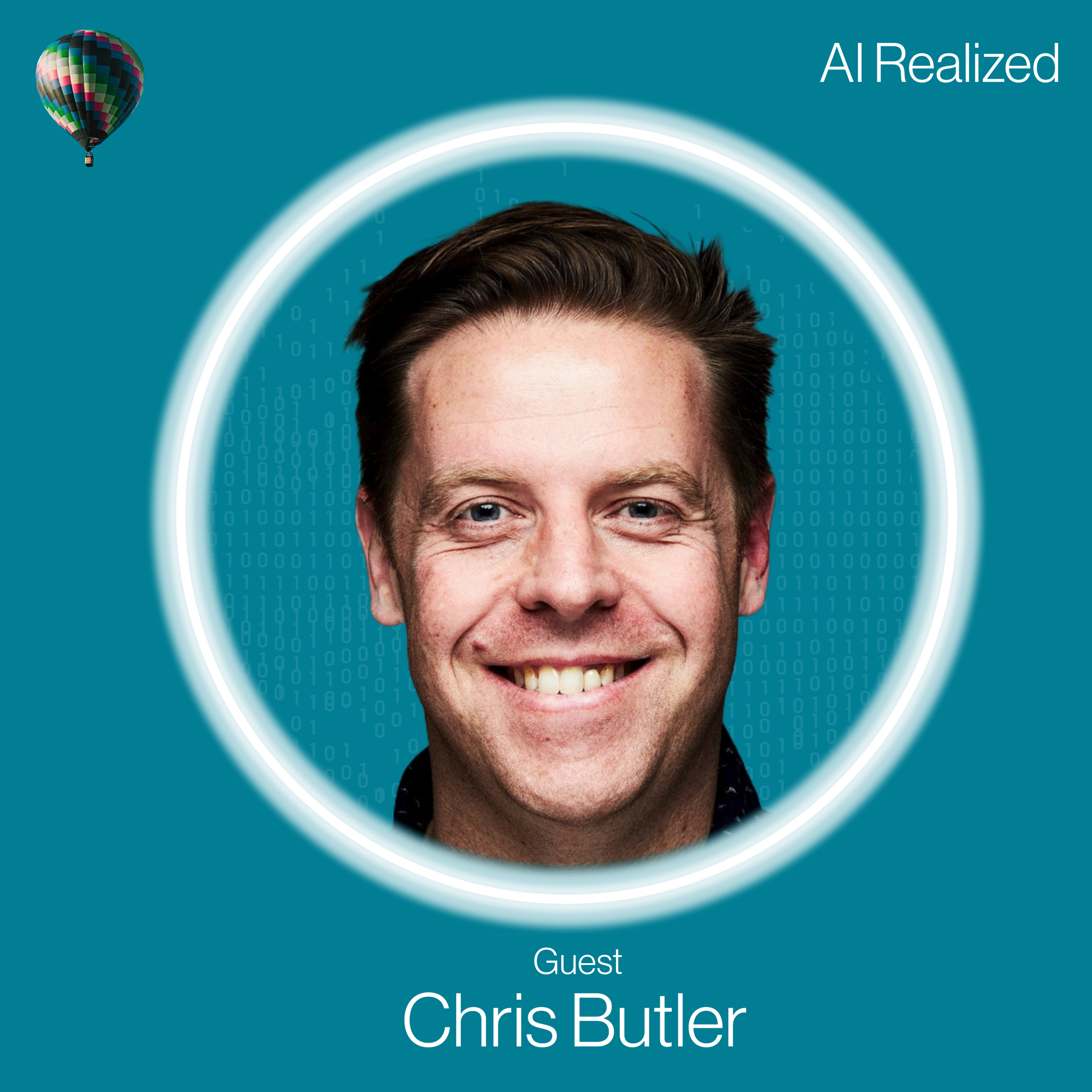
Use AI for the Questions Nobody in the Room Will Ask
Chris Butler of GitHub on using an LLM in decision-making: no stake in the hierarchy, no care about power, and in 2025 about 80 percent junk.
An AI Committee Needs Every Department and Real Authority
Isar Meitis on the AI committee: who sits on it, what it decides, and why clear guardrails make people experiment more rather than less.
Judge a Model on Cost and Latency, Not Just Accuracy
Ivan Lee of Datasaur on judging an AI model in production: unit cost first, then latency, then quality, and no single model wins.